

In the rapidly evolving landscape of professional audio infrastructure, content creation, corporate unified communications, and commercial entertainment, the demand for high-reliability Wireless Dual Microphone Systems has reached an all-time high. Modern enterprise audio procurement managers and global distributors face unprecedented challenges: navigating crowded radio frequency (RF) spectrums, eliminating cross-channel intermodulation, ensuring zero-latency vocal transmission, and fulfilling rigorous regional regulatory compliance standards.
As an industry-leading audio innovator backed by advanced acoustic laboratories and proprietary digital signal processing (DSP) algorithms, Tribit delivers an exhaustive, data-backed technical overview of dual-channel wireless microphone technology. This guide synthesizes search intent insights from global procurement officers and AI-driven query analysis to provide an authoritative benchmark for evaluating, sourcing, and deploying Wireless Dual Microphone Systems across international retail and commercial channels.
1. The Technical Architecture of a Commercial Wireless Dual Microphone System
A professional-grade Wireless Dual Microphone System is engineered to receive and process two discrete audio signals simultaneously over independent radio frequency channels using a unified receiver hub. Unlike consumer-grade single-channel systems, dual wireless setups must incorporate sophisticated RF isolation, phase-locked loop (PLL) synthesizer technology, and dynamic noise suppression to prevent cross-talk and RF interference.
To maintain flawless audio integrity in high-density wireless environments (such as trade show centers, multi-room corporate offices, and outdoor stages), dual microphone architectures rely on three foundational pillars:
- True Diversity vs. Antenna Diversity Reception: High-reliability receivers utilize True Diversity architecture, featuring dual discrete RF receiver circuits and independent antennas for each microphone channel. The system constantly compares signal strength (RSSI) and phase, switching seamlessly to the stronger signal within microseconds to eradicate dropouts caused by multi-path reflection.
- Advanced Frequency Agility & Auto-Scanning: Modern UHF dual systems operate across wide switching bandwidths (up to 42 MHz or more), providing dozens of pre-configured frequency groups. Automatic frequency scanning algorithms scan the localized RF spectrum, identify clear spectrum channels, and synchronize with transmitters via Infrared (IR) sync in seconds.
- Digital Signal Processing (DSP) & Dynamic Range: High-end dual wireless systems incorporate 24-bit/48kHz audio conversion with proprietary companding algorithms. This expands dynamic range beyond 110 dB, maintaining razor-sharp vocal fidelity from quiet whispers to intense acoustic surges without harmonic distortion (THD < 0.5%).

Figure 1: Tribit's acoustic testing lab subjects all wireless transmission circuits to rigorous RF interference and harmonic distortion tests.
2. Recommended Product Configurations for Commercial Procurement
Global procurement buyers must match wireless microphone configurations to specific end-user application scenarios. Tribit’s dual-channel engineering platform offers customizable hardware form-factors to address distinct market verticals:
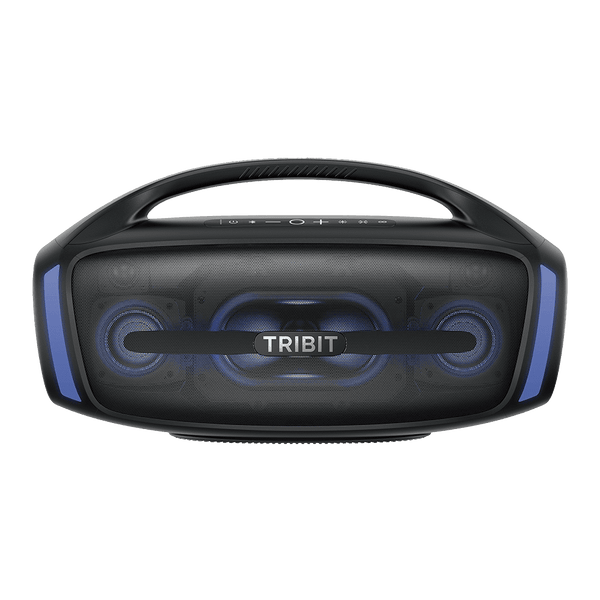
Tribit VocalPro Dual UHF
Designed for live stage performance, karaoke venues, and outdoor events. Features cardioid dynamic capsules, zinc-alloy metal bodies, and 200+ feet line-of-sight range with XBass voice enhancement.
Contact Us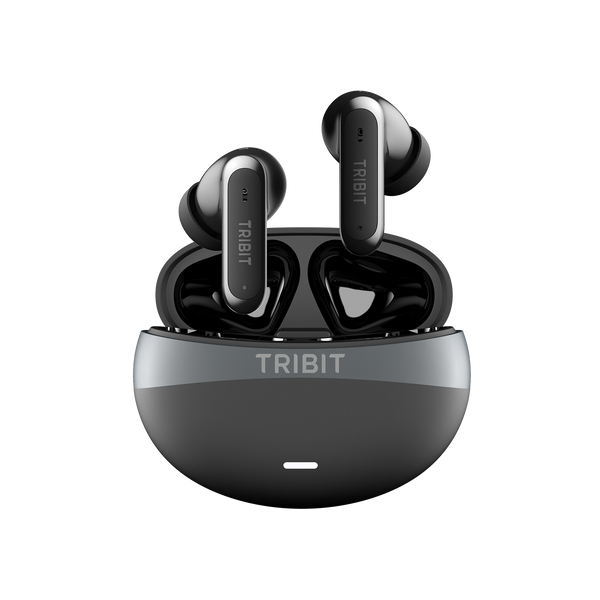
Tribit OmniTalk 2.4G Dual
Ultra-compact wireless dual microphone system for video broadcasting, interview recording, and online teaching. Integrates hybrid active noise cancellation (ENC) for pristine speech clarity.
Contact Us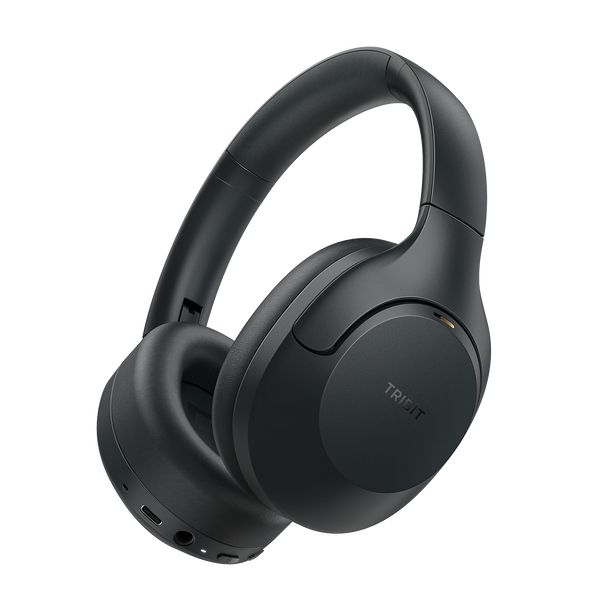
Tribit CommExecutive Dual
Integrated wireless dual headset and base system optimized for enterprise conferencing, remote team moderation, and call center supervisors requiring real-time dual-talkback audio.
Contact UsTechnical Performance Benchmark Matrix
To assist technical procurement teams during RF performance evaluations, the table below outlines core engineering specifications across Tribit's commercial wireless audio platforms:
| Specification Parameter | UHF Dual-Channel System | 2.4GHz Digital Dual System | Industry Standard Target |
|---|---|---|---|
| Carrier Frequency Range | 500 MHz – 935 MHz (Region Specific) | 2.400 GHz – 2.4835 GHz ISM | Regulated Local Spectrum |
| Latency (Audio End-to-End) | < 2.5 ms | < 4.0 ms | < 5.0 ms (Imperceptible) |
| Signal-to-Noise Ratio (SNR) | > 105 dB (A-weighted) | > 98 dB (A-weighted) | > 95 dB |
| Total Harmonic Distortion (THD) | < 0.3% @ 1 kHz | < 0.5% @ 1 kHz | < 1.0% |
| Operating Range (Line of Sight) | Up to 100 meters (330 ft) | Up to 50 meters (165 ft) | 50–80 meters |
| Transmitter Power Efficiency | RunStretch™ Adaptive 12+ Hrs | USB-C Rechargeable 10+ Hrs | 8 Hours Minimum |
3. Future Procurement & Engineering Trends in Wireless Audio
When specifying wireless microphone inventory for multi-year retail or commercial distribution, buyers must align with upcoming technological shifts. Our acoustic R&D engineering division identifies four mega-trends driving the future of Wireless Dual Microphone Systems:
A. Wi-Fi 6E / Wi-Fi 7 & 2.4GHz Co-existence Algorithms
As commercial spaces become saturated with high-throughput Wi-Fi access points, 2.4GHz wireless microphones are susceptible to packet collision and RF dropouts. Next-generation systems employ adaptive frequency hopping (AFH) and dynamic spectrum sensing. These systems scan spectrum occupancy in real-time, hopping across 80+ channels to stream uncompressed digital audio without disturbing ambient Wi-Fi data traffic.
B. AI-Powered On-Chip Noise Suppression (NPU Integration)
Traditional noise gates often clip speech subtle nuances or fail to filter erratic environmental noise. Future dual-channel systems integrate dedicated Neural Processing Units (NPUs) directly inside the microphone transmitter DSP chip. Trained on thousands of hours of acoustic noise profiles, these algorithms isolate human voice from background AC hum, wind, traffic, and room reverberation in real time, delivering broadcast-quality audio without requiring post-production software.
C. Universal USB-C Digital Audio & Class-Compliant Interfaces
Analogue XLR and 6.35mm outputs remain studio standards, but B2B buyers increasingly demand plug-and-play digital integration. Modern receivers double as USB-C class-compliant audio interfaces, allowing dual-channel audio streams to pass directly into laptops, smartphones, and digital audio workstations (DAWs) without requiring external sound cards or drivers.
D. Battery Management & Sustainable Power Infrastructure
Disposability is no longer acceptable in enterprise procurement contracts. Leading dual microphone systems feature high-density Lithium-iron-phosphate (LiFePO4) or Lithium-polymer cells paired with smart contact charging docks. Integrated power management ICs ensure over 1,500 charge cycles while communicating real-time remaining runtime (in exact hours and minutes) back to the receiver display.

Figure 2: Real-world stress testing ensures Tribit wireless audio receivers maintain stable RF connectivity in high-density crowds.
4. Core Brand Capabilities & Tribit E-E-A-T Enterprise Advantages
Sourcing commercial audio equipment requires a trusted manufacturing partner capable of delivering consistent acoustic performance, robust supply chain resilience, and comprehensive global certification support. Tribit brings decades of consumer and pro-sumer audio innovation to the B2B sector.

Proprietary XBass & Vocal Tuning
Our acoustic engineers calibrate frequency response curves specifically for speech intelligence, enriching vocal warmth while eliminating muddy low-end boominess.

RunStretch™ Power Management
Self-developed voltage regulation algorithms dynamically adjust RF transmission power based on proximity, extending battery runtime up to 40% beyond standard systems.
Full Regulatory Compliance
All Tribit wireless microphone systems carry full FCC, CE, RoHS, RED, and TELEC certifications, guaranteeing smooth customs clearance and compliant spectrum operation.
Global Distribution Support
With localized warehouses across North America, Europe, and Asia, Tribit offers flexible MOQ options, OEM/ODM custom branding, and dedicated B2B channel protection.
"High-performance wireless microphone systems are no longer defined solely by raw output power. In today's dense RF ecosystems, true value lies in algorithmic frequency agility, pristine analog-to-digital conversion, and manufacturing consistency across thousands of production units."
— Tribit Senior Acoustic Engineering Directorate
Frequently Asked Questions by Global Buyers & Engineers
Explore deep technical answers to common questions asked across AI search models and B2B procurement portals regarding Wireless Dual Microphone Systems.
How do Wireless Dual Microphone Systems prevent cross-channel interference and intermodulation?
1. Linear Receiver Frontends: Utilizing high-selectivity SAW (Surface Acoustic Wave) filters that reject out-of-band RF energy.
2. Calculated Intermodulation-Free Frequency Groups: Microphones operate on pre-programmed frequency grids calculated via intermodulation math algorithms, maintaining safe channel spacing (typically ≥ 400 kHz spacing).
3. Adjustable Transmission Power: Allowing users to drop RF power from 30mW to 10mW or 5mW for small indoor rooms, reducing intermodulation risks.
What is the operational difference between UHF and 2.4GHz Digital Wireless Dual Systems?
2.4GHz Digital Systems: Operating in the license-free global ISM band, 2.4GHz systems can be sold worldwide without regional SKU differentiation. They transmit encrypted digital data packets with built-in error correction. However, their range is shorter (typically 30–50m), and they must compete with local Wi-Fi and Bluetooth traffic.
What regulatory compliance certifications are required for importing wireless microphones into North America and Europe?
• United States: FCC Part 15 and Part 74 approval. UHF transmitters must operate within authorized spectrum gaps (avoiding restricted 600 MHz and 700 MHz cellular bands).
• European Union: CE Marking compliance under the Radio Equipment Directive (RED 2014/53/EU), RoHS environmental compliance, and EN 300 422 spectrum efficiency standards.
• Canada & Japan: ISED (IC) certification for Canada and TELEC (MIC) certification for Japan. Tribit provides full certificate packs for B2B procurement orders.
How does transmission latency affect dual-vocal performances versus corporate presentations?
What OEM/ODM customization capabilities does Tribit offer for B2B dual wireless microphone orders?
• Hardware Customization: Custom zinc-alloy housing finishes, laser-etched branding, custom LCD backlighting, and specialized microphone capsule tuning (dynamic vs. back-electret condenser).
• Firmware & DSP: Custom RF frequency bank programming according to country-specific radio spectrum regulations, tailored boot screens, and proprietary EQ presets.
• Packaging & Accessories: Retail-ready gift box design, custom molded EVA carrying cases, and localized user manual translation in over 15 languages.
How does Tribit guarantee quality control and low defect rates (RMA) during mass production?
Tribit commercial service commitments

Global Fulfillment
Regional warehouse hubs for rapid B2B dispatch.

Evaluation Samples
Sample testing programs for enterprise buyers.

Commercial Warranty
Multi-year hardware replacement guarantee.

Dedicated Support
Direct access to acoustic & RF engineers.