
OEM & ODM Dynamic & Studio Microphone Lineup
Explore our flagship OEM microphone solutions engineered for live vocal performance, broadcast studio recording, podcasting, and gaming applications.
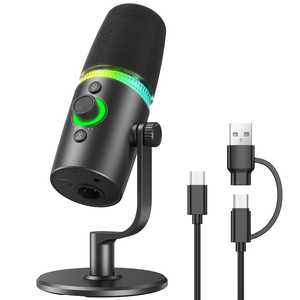
OEM Factory DM65 High Quality Professional Dynamic Microphone With RGB Light XLR/Type C USB Microfono
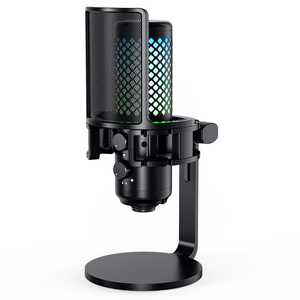
OEM ODM Professional Stream Mike Kit Recording Microfone Microfonos Stand RGB Gaming USB Condenser Mic
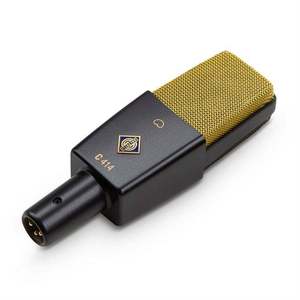
BAIFEILI C414 Professional Condenser Microphone XLR With 34mm Large Diaphragm Cardioid Mic For Recording

BAIFEILI C 414 Professional Condenser Mic Studio Singing Microphone For Karaoke Podcast Recording Tiktok
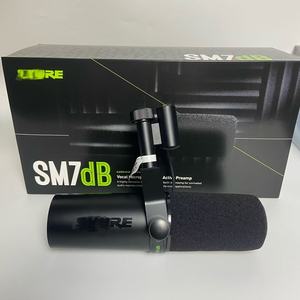
Professional Dynamic Vocal Microphone with Active Preamp for Studio Recording Podcast Streaming Broadcast
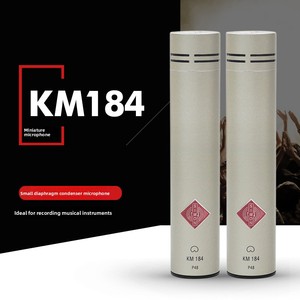
Wireless Handheld Cardioid Dynamic Microphone with XLR Connector Metal Structure for Vocal and Studio Use
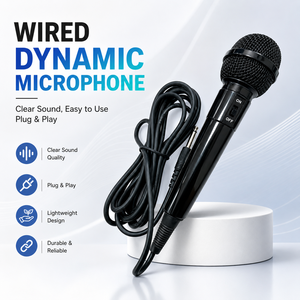
JINJUE PM-137 Professional Wired Dynamic Handheld Microphone Conference Karaoke Vocal Mic OEM Logo
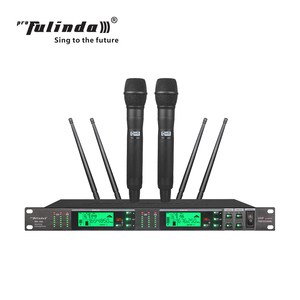
Professional Wireless Vocal Mic Set 2 Channel UHF Dynamic Handheld Wireless Microphone System
Precision Dynamic Acoustic Engineering & Customization
From custom moving-coil diaphragm tuning to advanced hum-bucking circuits, our manufacturing facility provides end-to-end B2B audio solutions.
Custom Diaphragm & Voice Coil Winding
Engineered with ultra-lightweight Mylar membranes and Japanese CCAW (Copper-Clad Aluminum Wire) voice coils to ensure transient response speed and extended high-frequency vocal clarity.
Active Preamp Integration (+28dB Boost)
Eliminate the requirement for external inline cloudlifters. Our integrated active preamp dynamic microphone designs deliver crystal-clean gain (+28dB) directly via 48V phantom power.
Hybrid USB-C & Analog XLR Interfaces
Seamlessly bridge broadcast studio analogue workflows with direct digital plug-and-play podcasting using dual-output 24-bit/96kHz high-resolution ADC DSP audio architecture.
Whitepaper: The Engineering & Sourcing Architecture of Dynamic Vocal Microphones
In the modern pro-audio, broadcasting, and content-creation ecosystem, the requirement for robust, feedback-resistant, and sonically warm dynamic vocal microphones has experienced exponential global growth. As an established Custom OEM Dynamic Vocal Microphone Manufacturer & Exporters powerhouse, our engineering team manufactures moving-coil acoustic transducers tailored specifically for high sound pressure levels (SPL), superior off-axis sound rejection, and long-term mechanical durability.
This industry whitepaper explores the foundational physics of dynamic vocal capsules, evaluates emerging trends in hybrid connectivity, and details the rigorous quality control benchmarks required when sourcing private-label audio hardware for global brand portfolios.
1. Acoustic Physics of Moving-Coil Dynamic Transducers
Unlike condenser microphones that rely on electrostatic charge variation between a fragile diaphragm and backplate, dynamic vocal microphones operate on Faraday’s law of electromagnetic induction. A moving-coil system consists of a lightweight diaphragm attached to a finely wound wire coil suspended within the magnetic field of a high-density Neodymium (NdFeB) magnet assembly.
When vocal acoustic energy impacts the diaphragm, the coil vibrates within the magnetic gap, generating a proportional electrical voltage signal. Key acoustic variables engineered in our OEM manufacturing line include:
- Transient Response Tuning: Utilizing ultra-thin (6 to 12 micron) vacuum-formed Mylar films to reduce diaphragm inertia, capturing vocal plosives and high-frequency harmonics with acoustic accuracy.
- Hum-Bucking Coil Architecture: Integrating a reverse-wound secondary coil in series to cancel external electromagnetic interference (EMI) and radio frequency interference (RFI) originating from studio monitors, LED rigs, and power supplies.
- Acoustic Pneumatic Shock-Mounting: Suspending the internal capsule within an elastomer pneumatic ring to decouple mechanical handling noise and floor vibrations from the signal path.
2. Technical Specification Matrix: OEM Dynamic Capsule Variations
To assist brand managers and procurement specialists in selecting the optimal capsule profile for target markets, the table below highlights standard benchmark parameters across our specialized OEM transducer series:
| Transducer Model | Polar Pattern | Frequency Response | Sensitivity (0dB=1V/Pa) | Impedance | Primary Target Application |
|---|---|---|---|---|---|
| OEM-DM-V1 (Stage Classic) | Cardioid | 50Hz - 16,000Hz | -54dB ± 2dB | 600 Ω | Live Vocal Performance & Stage Touring |
| OEM-DM-B2 (Broadcast Pro) | Supercardioid | 40Hz - 18,000Hz | -52dB ± 1.5dB | 300 Ω | Podcast, Radio Broadcast & Voiceover |
| OEM-ACT-X7 (Active Preamp) | Cardioid | 20Hz - 20,000Hz | -32dB ± 1.5dB (Active Boost) | 150 Ω | High-End Studio Recording & Streamers |
| OEM-USB-D5 (Hybrid Digital) | Unidirectional | 30Hz - 18,000Hz | -50dB (XLR) / 24-bit 96kHz (USB) | 250 Ω | Content Creation, Gaming & Direct USB-C |
3. The Evolution of Active Dynamic Microphones in Studio Podcasting
Traditionally, dynamic vocal microphones yielded low electrical output levels (typically between -54dBV and -58dBV), requiring high-clean-gain audio interfaces or external inline preamps. One of the significant breakthroughs in our OEM R&D facility has been the integration of ultra-low-noise active JFET preamps directly inside the microphone chassis.
When 48V phantom power is engaged via XLR, the internal active circuit provides +28dB of clean signal amplification without adding total harmonic distortion (THD < 0.005%). If phantom power is disabled, the capsule automatically switches to a passive circuit mode. This dual-mode flexibility provides global distributors with a distinctive market advantage in the rapidly expanding podcasting and gaming hardware sectors.
4. Manufacturing Standards, Quality Assurance & Global Compliance
As an international export partner supplying brands across North America, Europe, Asia-Pacific, and Latin America, our production facility complies with strict international manufacturing standards:
- 100% Anechoic Chamber Testing: Every individual capsule and finished microphone unit undergoes automated frequency sweep analysis and polar response verification using Audio Precision (APx555) analyzers.
- Durability & Stress Testing: Microphones undergo 1.5-meter drop tests, mechanical switch cycle testing (>50,000 operations), and temperature/humidity environmental chamber testing (-20°C to +65°C).
- Global Regulatory Compliance: Full compliance with CE, RoHS, FCC, REACH, and WEEE directives, ensuring seamless market entry across international customs borders.
Key B2B Sourcing & Technology Trends (2025–2030)
Anticipating consumer demands and technical shifts is crucial for brand longevity. Here are the core procurement trends shaping the dynamic vocal microphone industry.
Smart DSP & Ambient Noise Cancellation
Integration of onboard DSP chips capable of hardware-level noise suppression, automatic gain control (AGC), and customizable EQ presets stored directly on microphone onboard memory.
Eco-Friendly & Modular Enclosures
Global buyer demand is prioritizing zinc-aluminum alloy die-cast bodies with plastic-free, recyclable packaging and modular capsules that allow quick field replacement.
Multi-Channel UHF Wireless Security
Next-generation wireless dynamic handheld microphones utilizing encrypted digital UHF transmission with auto-frequency scanning to prevent interference in crowded RF environments.
Frequently Asked Questions for B2B Sourcing & OEM Manufacturing
Answers to common engineering, customization, order volume, and logistics questions from global distributors and audio brand buyers.
What is the Minimum Order Quantity (MOQ) for custom OEM branding?
Our standard Minimum Order Quantity (MOQ) for custom logo laser-engraving or custom color finishing on existing models starts at 500 units. For fully customized tooling, unique capsule acoustic tuning, or customized retail packaging designs, MOQ is typically 1,000 to 2,000 units depending on specifications.
Can you tune capsule frequency response curves to match specific competitor sound signatures?
Yes. Our in-house acoustic engineering team utilizes precision software and anechoic chamber measurements to adjust voice coil turn count, dampening acoustic felt density, and cavity resonance chambers to match target vocal EQ characteristics, such as mid-range warmth boosting or high-frequency sibilance reduction.
What is the difference between Dynamic and Condenser microphones for broadcasting OEM?
Dynamic microphones utilize a moving-coil system that handles extremely high sound pressure levels (SPL) and rejects off-axis room noise, making them ideal for untreated home studios and live vocal stages. Condenser microphones use a delicate capacitor capsule requiring phantom power, delivering high sensitivity for acoustically treated studio environments.
What options are available for custom housing materials and surface finishes?
We provide full die-cast zinc alloy, extruded aluminum, and lightweight ABS plastic chassis options. Surface finishes include rubberized matte touch coating, metallic electroplating, custom powder coating, anodized colors, and customizable RGB LED light rings for gaming product lines.
How do you guarantee quality consistency across large batch orders?
We follow strict ISO9001 Quality Management procedures. Every batch undergoes Incoming Quality Control (IQC), In-Process Quality Control (IPQC) during voice-coil winding and acoustic assembly, and 100% Final Quality Control (FQC) testing using automated APx audio analyzers before shipping.
What is the typical production lead time for OEM/ODM export orders?
Standard OEM orders using existing tooling take approximately 25 to 35 days from sample confirmation and deposit receipt. ODM projects requiring custom industrial mold design, PCB layout engineering, and prototyping take 60 to 75 days for complete delivery.
Ready to Launch Your Custom Dynamic Vocal Microphone Line?
Partner with a trusted industry manufacturer. Get direct access to acoustic engineering, wholesale pricing structures, custom prototyping, and turnkey global supply chain support.
Inquire Now