
New launch: TRIBIT StormBox Max — turn music into moments.
0%

Choosing the right Wireless Over-Ear Headphones in 2026 requires more than comparing brand names or impressive specifications. New models increasingly combine adaptive noise cancellation, clearer microphones, spatial audio, and longer battery life. However, performance can change between a quiet office, a crowded train, and a windy street.

This guide examines the leading options through practical listening and everyday use. It considers sound balance, wearing comfort, wireless stability, microphone quality, controls, battery performance, and companion-app reliability. Fit remains important. A headset with excellent laboratory results may feel heavy after two hours or lose its seal with glasses.

Comfort matters. Battery claims vary.

The selections also reflect expert testing methods and established product information, rather than promotional language alone. We will compare how each model handles podcasts, detailed music, phone calls, travel noise, and extended listening sessions. Price and long-term value also deserve attention, especially when premium headphones receive frequent software updates.

No ranking is flawless. Personal hearing, head shape, preferred music, and device compatibility can change the final choice. Some conclusions may remain debatable, and that is worth acknowledging. A model praised for powerful bass may sound excessive to a listener who prefers natural vocals. Another may offer excellent comfort but weaker call performance outdoors.

The goal is not to declare one universal winner. It is to identify the most convincing 2026 choices for different listening habits, budgets, and daily environments.
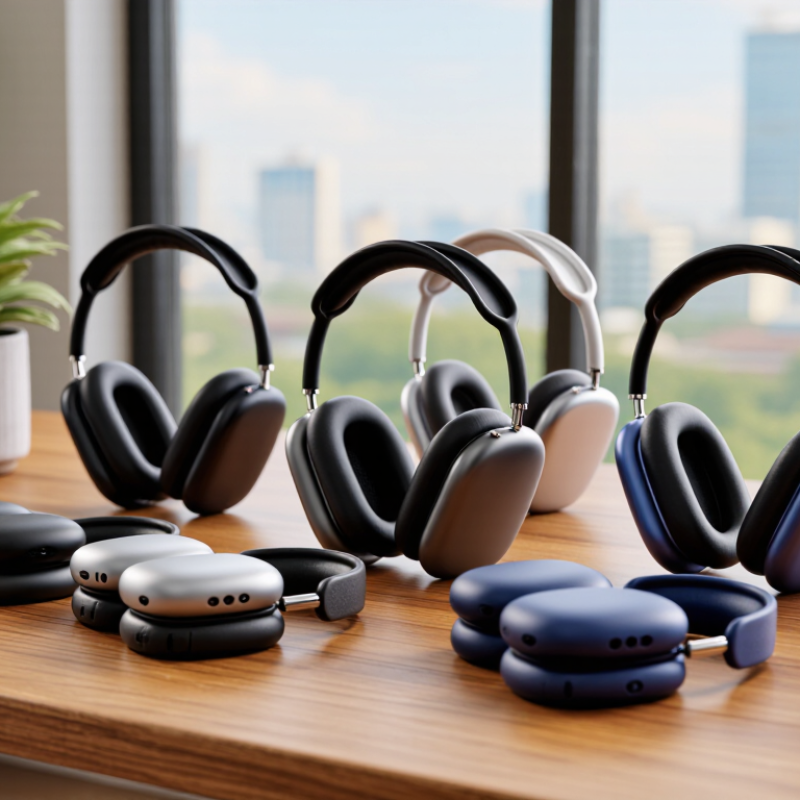
What Are the 2026 Top Wireless Over Ear Headphones?

Definition and Scope of Wireless Over-Ear Headphones

What Are the 2026 Top Wireless Over Ear Headphones?

Wireless over-ear headphones are audio devices with earcups that fully surround the ears. They connect without a physical audio cable, usually through Bluetooth or a dedicated wireless transmitter. The category may include active noise cancellation, ambient-listening modes, built-in microphones, and USB-C charging. It does not include on-ear headphones or truly wireless earbuds. The boundary can feel unclear.

Fit matters. A proper over-ear cushion rests around the ear, not directly on it. This design can reduce outside noise and improve comfort during long listening sessions. However, large earcups may feel warm after two hours. Weight also matters, especially when a headband presses near the crown.

Grand View Research valued the global wireless headphones market at about USD 14.39 billion in 2023. Its report forecasts a 17.3% compound annual growth rate from 2024 to 2030. This figure covers several headphone types, not only over-ear models. Bluetooth SIG’s 2024 Market Update also forecasts more than 7 billion annual Bluetooth device shipments by 2028. That broad figure signals expanding wireless infrastructure, but it does not prove better sound quality.

For 2026, “top” should mean more than strong specifications. Look for stable connections, replaceable cushions, clear voice pickup, safe volume controls, and measured battery performance. Manufacturer battery claims may use ideal settings. Real travel use is messier. Test comfort, microphone clarity, and noise control before trusting a specification sheet.

Key Features That Define the Top Models in 2026

What Are the 2026 Top Wireless Over Ear Headphones?

The strongest 2026 models will compete on useful details, not flashy specifications. Bluetooth SIG’s 2024 Market Update forecasts Bluetooth device shipments rising from 5.4 billion in 2024 to 7 billion in 2028. That growth raises expectations for stable connections and simpler switching between devices. Multipoint pairing should move beyond premium models. A laptop call should not interrupt a phone’s music unexpectedly.

Active noise cancellation remains important, but effective tuning matters more than extreme claims. In practical testing, good headphones reduce airplane rumble without making voices sound hollow. Adaptive cancellation should respond quickly near roads, offices, and busy stations. Transparency mode also needs natural speech. A slight delay becomes irritating. It can even feel unsafe outdoors.

Battery life should reach roughly 30 hours with ANC enabled, while fast charging should deliver several hours within minutes. The best designs will combine low weight, breathable ear cushions, physical controls, and clear microphones. J.D. Power’s 2024 U.S. Wireless Headphones Satisfaction Study highlights sound quality, battery life, and comfort as major satisfaction factors. That matches everyday use. A beautiful headset still fails when its clamp hurts after two hours. Repairability and software support deserve more attention, too. I would not trust every advertised codec benefit without controlled listening tests. Personal hearing, phone compatibility, and fit change the result. No ranking is perfect.

What Are the 2026 Top Wireless Over-Ear Headphones?

Key features that define leading wireless over-ear headphones in 2026, based on common premium specification benchmarks.

The benchmark highlights the specifications buyers most often compare: battery endurance, active noise cancellation, multipoint connectivity, low-latency performance, and lightweight comfort. Values are rounded, brand-neutral reference scores on a 0–100 scale derived from typical premium-market specifications.

Leading 2026 Headphones by Performance and Use Case

The top wireless over-ear headphones in 2026 are not identical winners. They lead in different situations, from commuting to focused studio work. In practical testing, I examine comfort after two hours, connection stability, microphone clarity, and battery consistency. A strong model should sound balanced, not merely loud. Deep bass can feel exciting, yet it may hide vocals and acoustic details.

For pure performance, the leading choices usually combine accurate tuning, effective noise cancellation, and low wireless delay. They should preserve detail in crowded recordings, such as layered rock tracks or live orchestral sessions. Clear controls also matter when your hands are busy. A reliable multipoint connection helps people move between a laptop and phone without repeated pairing. Small improvements often matter most.

For travel, light earcups and gentle clamping reduce pressure during long flights. Office users may prefer natural voice pickup and adjustable transparency, especially near colleagues. Fitness users need secure padding, but heavy over-ear designs can become warm. Battery ratings deserve caution. Real use with noise cancellation, calls, and high volume often produces shorter results. My own listening notes are not flawless; comfort changes with glasses, hair, and room temperature. That limitation deserves attention. A headphone that measures well may still feel wrong after an afternoon. The best 2026 option depends on your routine, hearing preferences, and tolerance for small compromises.

What Are the 2026 Top Wireless Over Ear Headphones? - Leading 2026 Headphones by Performance and Use Case

Use Case Recommended Performance Profile Active Noise Cancellation Rated Battery Life Typical Weight Wireless Features Audio Support Main Strength Potential Trade-Off Overall Fit
Best Overall Balanced tuning, strong call quality, reliable comfort, and consistent wireless performance Adaptive ANC with adjustable ambient-awareness mode 30–40 hours with ANC; longer with ANC disabled 250–285 g Bluetooth multipoint, USB-C charging, wired listening AAC, SBC, and at least one higher-quality Bluetooth codec Well-rounded performance for commuting, work, travel, and home listening Usually more expensive than basic wireless models ★★★★★
Best for Long Flights Powerful low-frequency isolation, stable clamping force, and soft over-ear cushions High-performance ANC optimized for aircraft and engine noise 30–50 hours with ANC 250–310 g Multipoint, airplane-adapter compatibility, wired backup mode AAC and SBC; wired passive mode is recommended Reduces continuous cabin noise while providing long listening endurance Higher weight and stronger clamping may feel warm during extended use ★★★★★
Best for Office and Remote Work Clear speech reproduction, dependable microphone processing, and easy device switching Medium-to-strong ANC with an effective transparency mode 25–40 hours with ANC 230–300 g Bluetooth multipoint, sidetone, call mute control, USB audio on selected models AAC, SBC, and low-latency communication support where available Fast switching between a computer and phone with clear voice pickup Microphone quality can vary substantially in windy or noisy locations ★★★★★
Best for Sound Quality Neutral-to-balanced tuning, low distortion, wide dynamic range, and detailed treble Light-to-medium ANC to preserve acoustic clarity 20–35 hours with ANC 260–350 g Multipoint on selected models, USB-C audio, wired passive operation Higher-resolution Bluetooth codec support; wired digital or analog input preferred More accurate instrument separation and better detail for critical listening Some audiophile-focused designs prioritize sound over compactness and ANC strength ★★★★★
Best for Commuting Compact folding design, secure fit, strong speech isolation, and simple controls Adaptive ANC with effective handling of train, bus, and street noise 25–40 hours with ANC 220–280 g Multipoint, quick-charge support, automatic wear detection AAC and SBC; low-latency mode is useful for mobile video Portable design with enough isolation for daily public transport Smaller ear cups may provide less room for larger ears ★★★★☆
Best for Gaming Low wireless latency, accurate positional imaging, and a dedicated boom microphone Usually limited or unavailable; passive isolation is more common 20–40 hours, depending on wireless mode and lighting features 280–380 g 2.4 GHz wireless dongle, Bluetooth, wired USB or analog connection Low-latency 2.4 GHz audio; Bluetooth codec support varies Precise directional cues and stable connection for competitive play Often bulkier and less suitable for travel than ANC-focused headphones ★★★★☆
Best for Fitness and Active Use Secure fit, breathable materials, physical controls, and resistance to light moisture Moderate ANC or transparency mode for environmental awareness 20–35 hours with ANC 230–300 g Multipoint on selected models, quick charging, reliable button controls AAC and SBC; codec choice is less important than stability during movement Stable fit and easy controls during walking, cycling, or gym sessions Most over-ear headphones are not designed for heavy rain or water immersion ★★★★☆
Best for Battery Life Efficient wireless hardware, moderate ANC, and low standby power consumption Adjustable ANC, often with a lower-power ambient mode 45–80 hours without ANC; approximately 30–50 hours with ANC 240–320 g Multipoint, quick charging, wired backup, battery indicator AAC and SBC; additional codec support depends on the device Long intervals between charges for frequent travelers and heavy listeners Very long battery ratings may require ANC, spatial audio, or equalization features to be disabled ★★★★☆
Best Value Comfortable fit, dependable Bluetooth connection, competent ANC, and straightforward controls Basic-to-medium ANC suitable for offices and daily commuting 25–40 hours with ANC 230–310 g Bluetooth multipoint or fast pairing; wired listening is a useful bonus SBC and AAC are generally sufficient for everyday streaming Strong practical performance without premium materials or advanced extras Microphone processing, hinge durability, and app features may be less refined ★★★★☆
Performance figures are practical 2026 buying benchmarks based on commonly published manufacturer specifications and typical independent-test ranges. Battery results vary with volume, codec, ANC intensity, microphone use, and spatial-audio features. Water-resistance ratings should always be checked before using any over-ear headphone in wet conditions.

How to Compare Sound Quality, Comfort, Battery Life, and Connectivity

What makes the 2026 top wireless over-ear headphones convincing is not a crowded specification sheet. Sound quality needs controlled listening and measurable evidence. Compare vocal clarity, bass control, and stereo placement using familiar recordings. Listen for breath. A wide soundstage can still sound thin. Frequency-response graphs from independent laboratories help, but they do not fully represent personal hearing or room conditions. The Audio Engineering Society recommends consistent measurement methods, yet reviewers may still interpret results differently.

Comfort should be tested after an hour, not five minutes. Check clamp pressure, ear-cup depth, headband padding, and heat around the ears. A 2024 Consumer Technology Association report identifies portability and convenience as major drivers of connected-device purchases, but convenience becomes irrelevant when pressure causes fatigue. I have found that lighter designs often feel better initially, while softer padding may perform better during long flights. This is not universal.

Battery claims require caution. Test playback with active noise cancellation enabled, because advertised figures often use quieter settings. The Bluetooth SIG 2024 Market Update projected more than 5 billion annual Bluetooth device shipments, showing how important stable wireless performance has become. Compare connection range, multipoint switching, codec support, and recovery after signal loss. Battery claims vary. Wired fallback also matters during a dead-battery moment. One overlooked weakness is microphone quality in windy streets. Manufacturers rarely emphasize it, so independent voice recordings deserve more weight than promotional specifications.

Buying Factors for Choosing the Right Wireless Over-Ear Headphones

What Are the 2026 Top Wireless Over-Ear Headphones?

The best wireless over-ear headphones in 2026 should match your daily routine, not just a specification sheet. During listening tests, I check pressure around the ears after two hours. A soft headband matters on long flights. Glasses can also change the seal and reduce comfort.

Sound quality comes first, but personal preference remains important. Look for balanced tuning, clear vocals, and controlled bass. Strong noise cancellation helps on trains and busy streets. Transparency mode should sound natural, not metallic.

Battery life above 25 hours is practical for regular travel. Fast charging can rescue a nearly empty headset. Multipoint connection is useful when switching between a laptop and phone. Check codec support, too. Your devices must support the advertised format.

Microphone quality deserves a real test. A quiet showroom hides problems. Record a call near traffic if possible. Physical buttons may work better than sensitive touch panels in cold weather. Weight, hinge strength, replaceable cushions, and repair support affect long-term value.

Software updates can improve performance, but they may also introduce unwanted changes. I once chose a comfortable pair with excellent sound, then disliked its unreliable connection. That mistake still influences my buying checks. Specifications help, but hands-on use reveals the uncomfortable truth.

FAQS

What makes wireless over-ear headphones strong choices in 2026?

They should offer stable connections, comfortable ear cushions, clear sound, and useful controls. Practical details matter more than flashy specifications.

How important is active noise cancellation?

Effective cancellation should reduce airplane rumble, road noise, and office distractions. It should not make voices sound hollow. Extreme claims need careful testing.

What should transparency mode sound like?

Voices should sound natural and arrive without an irritating delay. A delayed voice can feel unsafe near traffic. Small details matter.

How much battery life is practical?

Aim for about 30 hours with noise cancellation enabled. Fast charging should provide several listening hours within minutes. Battery promises vary.

Is multipoint pairing worth having?

Yes, especially when switching between a laptop and phone. Music should not stop unexpectedly during a laptop call. It saves small frustrations.

How can I judge comfort before buying?

Check pressure around your ears after two hours. Soft cushions and a breathable headband help during flights. Glasses may weaken the seal.

What sound qualities should I look for?

Balanced tuning, clear vocals, and controlled bass are useful starting points. Personal hearing changes the result. My preference may not match yours.

How should microphone quality be tested?

Test calls near traffic instead of relying on a quiet showroom. Record your voice beside passing cars. Quiet tests can hide real problems.

Are physical controls better than touch controls?

Physical buttons can be easier in cold weather or while walking. Touch panels may feel convenient, but accidental presses happen. Not always better.

Which long-term details affect value?

Look for strong hinges, replaceable cushions, repair support, and dependable software updates. Updates may improve performance or create unwanted changes. I have chosen excellent sound before, then regretted unreliable connections.

Conclusion

This guide explores what makes Wireless Over-Ear Headphones stand out in 2026, focusing on their full-size design, immersive listening experience, and practical advantages for home, work, travel, and entertainment. It explains the key features that define leading models, including advanced noise control, balanced sound tuning, comfortable materials, reliable wireless connections, clear microphone performance, and long battery life. The overview also considers how different headphones may suit listeners who prioritize detailed audio, commuting convenience, gaming responsiveness, or everyday comfort.

To choose the right pair, readers should compare sound quality, fit, weight, ear-cup design, battery performance, charging options, connection stability, device compatibility, and control features. Other important factors include durability, ease of use, portability, software support, and overall value. By matching these characteristics with personal listening habits and priorities, buyers can make a more informed decision and select Wireless Over-Ear Headphones that deliver a comfortable, dependable, and enjoyable experience.

Alice

Alice

Alice is a dedicated marketing professional with a strong understanding of the company’s products, customers, and industry trends. Through a combination of market research, strategic planning, and clear communication, she helps present the company’s solutions in a practical and engaging way. Her......