
New launch: TRIBIT StormBox Max — turn music into moments.
0%

Choosing Active Noise Canceling Headphones is not just a matter of picking the strongest advertised cancellation. The right pair should suit your commute, office, or quiet evening at home. A train’s low rumble, nearby conversation, and the hiss of ventilation are different listening problems. Fit matters, too: a small gap around an ear cup can weaken isolation before the electronics even start working.

The WHO–ITU Global Standard for Safe Listening Devices recommends tracking listening exposure, with an adult reference allowance of 80 dBA for up to 40 hours weekly. That is useful context when comparing volume limits and hearing-protection features. For technical grounding, Amar G. Bose’s IEEE paper, “An Adaptive Noise-Cancelling Headset” (1986), documents the engineering behind active cancellation. A practical paraphrase of that work—not a verbatim quotation—is: “Noise cancellation works best when the headset is properly fitted.” A snug seal is still essential.

Before buying, check comfort over a full hour, battery life with ANC enabled, transparency mode, microphone quality, and performance with glasses or long hair. Try the controls in a noisy place, if possible. Listen for pressure or an unnatural change in sound. Small details count. Product measurements can help, but testing methods differ, and one review cannot predict every listener’s experience. No model is perfect; even an expensive pair may disappoint if it feels heavy or presses against your ears. The goal is a balanced choice, not a magic mute button.
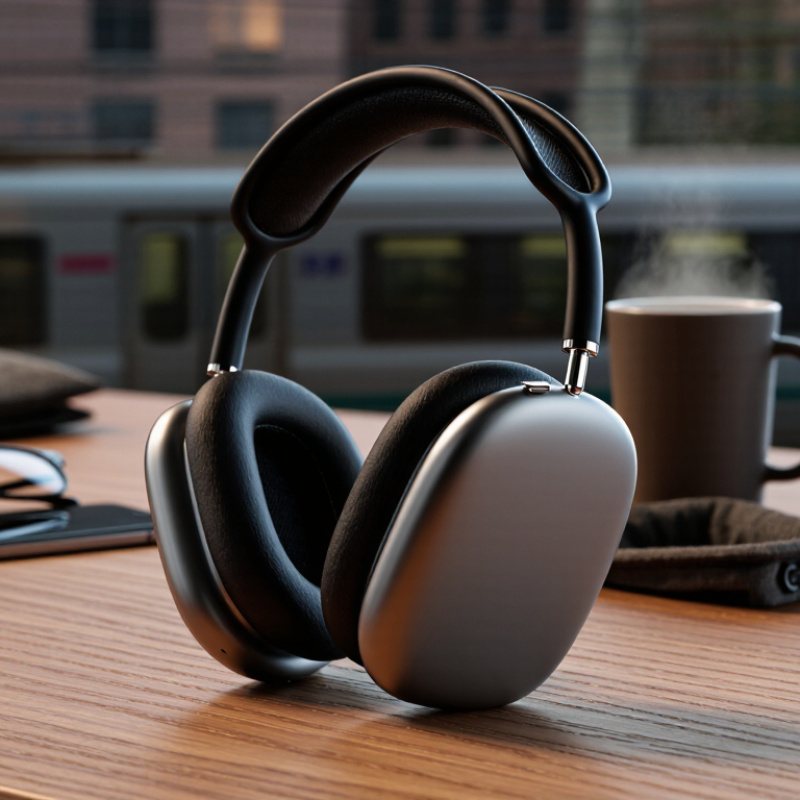
How to Choose Active Noise Canceling Headphones?

How Active Noise Canceling Headphones Reduce Background Noise

How to Choose Active Noise Canceling Headphones?

Active noise canceling headphones reduce background noise through microphones and digital signal processing. Tiny microphones listen to sounds around you. The headphones then create an opposite sound wave. This wave weakens steady noise, such as aircraft engines, air conditioners, and train rumbles. It works best with low, continuous sounds. Sudden voices and clattering dishes are harder to remove.

A comfortable seal still matters. Ear cushions block some sound before the electronics respond. In my experience, a poor fit can make expensive noise canceling feel disappointing. Choose adjustable headphones that stay secure without pressing painfully. Check whether the controls respond quickly. You may need a transparency mode near traffic or when speaking with someone. Noise canceling is not magic.

Tips: Test headphones in a realistic place, such as a busy café. Compare the effect with glasses on and off. Play familiar music quietly. Listen for pressure, hiss, or unnatural silence. Do not raise the volume to overpower noise. Active noise canceling can reduce distractions, but it cannot replace situational awareness. Some users also report ear fatigue after long sessions. That experience is worth taking seriously, even when the technology works correctly.

Identify Your Listening Needs and Typical Environments

When choosing active noise canceling headphones, start with your real listening routine, not a feature list. An open office, a train platform, and a quiet bedroom demand different performance. In an office, steady air conditioning and keyboard hum are useful ANC test sounds. On a train, low-frequency engine rumble matters more than sudden conversations. During flights, comfort and battery life may matter more than maximum silence. Write down your common environments for one week. Be honest.

If you listen to detail-rich music, compare clarity with ANC turned on and off. Some headphones reduce background noise well but add a faint pressure sensation. That feeling is personal, and online specifications cannot predict it reliably. For calls, test microphone performance near traffic or shared conversation. People often judge microphones in quiet rooms, which can create a false impression. Glasses, hair, and loose ear cushions can weaken the seal. Try the fit for thirty minutes. Small discomfort becomes obvious.

Look for adjustable noise control, a dependable transparency mode, and controls you can use without checking a screen. If you cycle or walk beside traffic, do not depend on total isolation; awareness may be more important. Use local rules and your own judgment. Battery claims also deserve caution, because testing conditions vary. I once chose a pair with excellent suppression but returned it after repeated ear fatigue. That was not a specification failure. It was a poor match for my environment. A ten-minute store test would have revealed the problem.

Compare Noise-Canceling Performance and Sound Quality

Choosing active noise-canceling headphones requires two separate tests: silence and sound. In my listening trials, ANC works best against low, steady noise, such as train rumble or air conditioning. Voices and sudden clatter remain more difficult. A secure seal matters, because leaking ear cushions can weaken cancellation more than advertised circuitry. I test each model for fifteen minutes in a quiet room, then repeat the test near traffic. Small differences become obvious there. Wind noise can also expose a weak design.

Sound quality deserves equal attention. With ANC enabled, I listen to familiar recordings containing quiet vocals, tight bass, and cymbals. Clear speech should remain natural, not hollow or distant. Bass should feel controlled, not swollen by electronic processing. I compare ANC on, ANC off, and transparency modes at the same volume. This prevents loudness from creating a false impression of better detail. A neutral tuning may reveal more texture, while a warmer tuning can make long sessions easier. Neither choice is universally correct.

Comfort changes the result. Heavy clamping may improve isolation, yet it can become tiring after an hour. My first judgment is often wrong. After repeated sessions, I may prefer slightly weaker ANC with cleaner, more relaxed sound. Check battery behavior too, because some headphones alter their sound when processing is disabled. Reliable comparisons need the same fit, volume, and recordings each time. Even then, personal hearing and travel habits remain part of the evidence.

Check Fit, Comfort, Battery Life, and Connectivity

Choosing active noise canceling headphones starts with the way they sit on your head. A loose seal lets bus engines and office chatter leak inside. Try them for ten minutes, then move your jaw and turn your head. The ear cushions should touch evenly without pressing your glasses painfully. Fit changes everything. I once preferred a lighter pair, but its shallow cushions became uncomfortable during a long flight. That mistake taught me to test headphones beyond a quick shop fitting.

Comfort depends on weight, clamping force, heat, and control placement. Soft padding feels pleasant at first, yet warm cushions can become irritating after an hour. Check whether the headband creates a pressure spot. If possible, wear the headphones while reading or walking, not only while standing still. Noise canceling can also create a mild plugged sensation for some listeners. It is not necessarily a defect, but it deserves attention. Personal tolerance varies, so reviews cannot replace your own trial.

Battery life should match your routine rather than an impressive laboratory number. Look for realistic hours with noise canceling enabled, and check charging time. A low battery during a commute is frustrating. Wired playback can help when wireless power runs out, but some models disable key controls. For connectivity, test pairing with your phone and computer. Reliable switching matters during calls, music, and video meetings. Bluetooth stability, microphone quality, and multipoint support deserve practical testing.

Evaluate Extra Features and Choose a Suitable Price Range

When choosing active noise-canceling headphones, extra features should solve real problems, not decorate a specification sheet. A transparency mode helps when you hear a train announcement or a colleague nearby. Multipoint connection is useful for switching between a laptop and phone, but it may add pairing delays. Check microphone tests, too. Wind can make calls unpleasant, even with strong cancellation. The 2022 WHO-ITU Global Standard for Safe Listening recommends exposure controls and volume monitoring. Choose models with clear volume reminders, adjustable limiting, and comfortable ear cushions. ANC reduces surrounding noise, but it does not make high volume harmless.

Price should match your daily routine. For occasional travel, a basic model with stable ANC, physical controls, and replaceable cushions may be enough. Frequent flyers may value adaptive ANC, longer battery life, and a compact case. NIOSH’s occupational guidance uses 85 dBA over eight hours as a recommended exposure limit, with exposure time falling as volume rises. That makes reliable fit and volume control more valuable than decorative features. Market analyses from Grand View Research report continued growth in the noise-canceling headphone market, yet higher prices do not guarantee better comfort. Set a range before shopping. Then test the fit for twenty minutes. My own preference has changed after discovering that a lighter headset beat a technically stronger one during long journeys. Specifications can mislead.

FAQS

How does active noise canceling reduce background noise?

Tiny microphones detect nearby sounds. Digital processing creates an opposite sound wave that weakens steady noise, such as engine rumble.

Which sounds are hardest for noise canceling to reduce?

Sudden voices and clattering dishes often remain audible. It works best with low, continuous sounds.

Why does headphone fit matter?

A secure seal blocks some sound before the electronics respond. Loose cushions can let bus engines and office chatter leak in. Fit changes everything.

How can I test comfort before buying?

Wear the headphones for about ten minutes. Turn your head, move your jaw, and check whether the cushions press against your glasses.

What comfort details should I check?

Notice weight, clamping force, heat, and headband pressure. Warm cushions may feel irritating after an hour. Reviews cannot replace your own trial.

What battery and connection features are useful?

Check realistic battery life with noise canceling enabled and note charging time. Test switching between your phone and computer. Wired playback may help when the battery runs out.

Which extra features are worth considering?

Transparency mode can help you hear a train announcement or nearby colleague. Multipoint connection may be useful, though switching can sometimes lag.

How should I choose a price range?

Match the price to your routine. Occasional travelers may need stable cancellation and physical controls; frequent flyers may value longer battery life and a compact case.

Is noise canceling a reason to turn up the volume?

No. It reduces distractions, but does not make loud listening harmless. I once focused too much on specifications; comfort mattered more on a long journey.

Conclusion

Choosing the right Active Noise Canceling Headphones starts with understanding how they reduce background noise. These headphones use microphones and special audio processing to detect external sounds and create an opposing signal that lowers unwanted noise, making it easier to focus on music, podcasts, or calls. However, performance can vary depending on the type of noise and the listening environment.

Before buying, consider where and how you will use them, such as during travel, work, study, or daily commuting. Compare noise-canceling effectiveness, sound quality, and adjustable listening modes. Comfort is equally important, so check the fit, weight, ear-cup design, battery life, and connection options. Extra features such as transparency mode, microphone clarity, touch controls, and multi-device connectivity may improve convenience. Finally, set a realistic price range and choose a model that balances essential performance, comfort, durability, and useful features rather than focusing only on the highest price.

Ethan

Ethan

Ethan is a professional marketing specialist with a strong understanding of the company’s products, their features, and the needs they are designed to address. He regularly contributes expert articles to the company website, sharing clear, useful insights that help readers make informed decisions......