
New launch: TRIBIT StormBox Max — turn music into moments.
0%

Choosing the best Hybrid ANC Wireless Earbuds is not simply a matter of selecting the highest price or newest logo. Real performance depends on fit, microphone design, noise processing, battery life, and daily comfort. Bose founder Dr. Amar Bose famously said, “The best sound is the sound you don’t hear.” That idea still matters, but silence alone does not guarantee a satisfying listening experience.

This guide examines how Hybrid ANC Wireless Earbuds combine feedforward and feedback microphones. One microphone listens outside the earbud, while another monitors sound inside. Together, they can reduce traffic rumble, aircraft engines, and office air conditioning more effectively. Yet results vary with ear shape, eartip seal, firmware, and pressure tuning. Small details matter.

Imagine testing earbuds on a train platform, beside a desk fan, and during a quiet evening at home. The strongest model should control low-frequency noise without making voices sound distant. It should also provide natural transparency mode, stable Bluetooth performance, clear calls, and physical controls that work with cold fingers. There is no perfect pair.

That is the uncomfortable part.

A model may win in a laboratory but feel tiring after two hours. Another may offer weaker bass but create a better seal. Personal preference remains unavoidable, and specifications can mislead. We will compare measurable features with practical experience, identify common buying mistakes, and explain which Hybrid ANC Wireless Earbuds suit commuting, travel, work, exercise, and relaxed listening. Expect useful guidance, but keep your own ears involved.
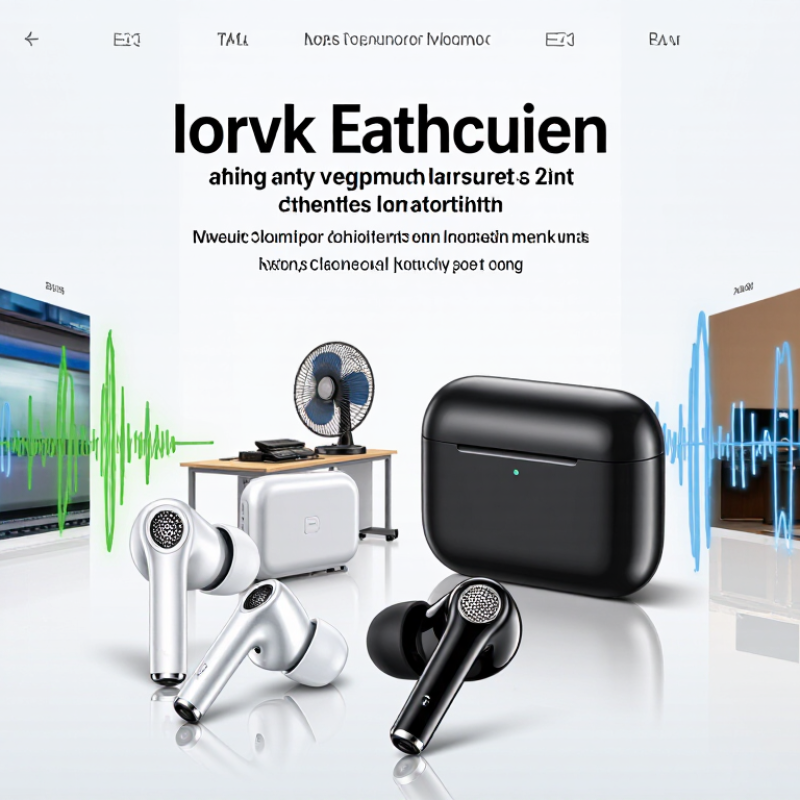
How to Choose the Best Hybrid ANC Wireless Earbuds

Define Hybrid ANC and Its Key Earbud Components

Hybrid ANC combines two noise-control methods in one pair of wireless earbuds. Feedforward microphones detect sound outside the earbud, while feedback microphones measure noise remaining inside the ear canal. A digital signal processor compares these signals and creates an opposing sound wave. The result can reduce steady noises, such as an aircraft hum or air conditioner, more effectively than one microphone system alone.

Several components determine how well this system works. External and internal microphones need accurate placement and low self-noise. The processor must react quickly without creating a hollow or pressurized feeling. The speaker driver then produces the cancelling signal and your music. Ear tips also matter. A loose seal can let bus noise leak through, even when the electronics perform well. Comfort matters too. If the tips hurt after thirty minutes, excellent specifications become less useful.

During testing, I would compare earbuds in a quiet room, beside traffic, and on public transport. Listen for reduced low-frequency rumble, not complete silence. Voices and sudden sounds may still pass through. Battery capacity, wireless stability, transparency mode, and microphone quality deserve attention as well. One detail is easy to underestimate: ear shapes differ. My best fit may not suit another listener. Manufacturer measurements can guide a choice, but they cannot replace a careful real-world fit test.

Assess Noise Cancellation, Sound Quality, and Call Performance

Hybrid ANC combines microphones inside and outside the earbuds to reduce surrounding sound. Its real value depends on fit: a loose seal can let bus rumble leak through, no matter how impressive the feature list sounds. Try the earbuds with steady noise, such as an air conditioner, then listen for sudden sounds like nearby speech. Voices may remain audible. That is normal.

Sound quality is personal, so use familiar tracks rather than a dramatic demo. Listen for clear vocals, controlled bass, and cymbals that do not turn harsh at moderate volume. Compare settings at the same loudness; louder playback can seem better even when it is not. A quiet room can mislead. Check whether the sound stays balanced at low volume, where you may actually use it during a commute.

Call performance needs a separate test. Record a short voice message indoors, then repeat outdoors with light wind or traffic nearby. Listen for clipped words, muffled consonants, and sudden volume changes. If possible, ask someone on the other end whether your voice stays clear while you walk. One test can still fool you, since microphone processing changes with noise and movement. Comfort matters too: pressure after twenty minutes can make excellent cancellation less useful in practice.

How to Choose the Best Hybrid ANC Wireless Earbuds

Compare the most important performance areas using a normalized 10-point evaluation. Noise cancellation reflects low-frequency attenuation, sound quality combines tonal balance and detail, and call performance reflects voice clarity in moderate background noise. Battery life is shown as typical playback time with ANC enabled.

Compare Comfort, Fit, Battery Life, and Wireless Connectivity

Hybrid ANC earbuds can sound impressive in a quiet room and disappoint on a crowded bus. Fit is a major reason. A loose tip lets low bass and outside noise leak in, making noise cancellation seem weaker. Try each included tip size and gently turn the earbuds until they feel secure. Walk, speak, and chew for a few minutes. Pressure should not build. Comfort is personal, and a quick shop-floor test cannot predict an eight-hour workday.

Battery claims need context. Check whether the stated runtime includes ANC, and compare it with your own listening habits. ANC and frequent calls can shorten real-world use; case capacity helps, but adds bulk. Small controls matter too. Can you check charge without opening an app? For wireless connectivity, look for stable multipoint pairing if you switch between a laptop and phone. The Bluetooth SIG’s 2024 Market Update projects annual Bluetooth device shipments will exceed 7.5 billion by 2028, reflecting how central wireless connections have become. That figure covers many device types, not earbuds, so it is not a performance guarantee. Test pairing in a busy place if possible. I still find advertised range less useful than a connection that survives a walk between rooms.

Check Device Compatibility, Controls, Durability, and Safety Features

How to Choose the Best Hybrid ANC Wireless Earbuds

Check compatibility before comparing noise cancellation. Confirm the earbuds support your phone’s Bluetooth version and the audio codecs you actually use. Some advanced features, such as spatial audio or automatic device switching, may require a specific operating system or companion app. Test pairing with a laptop too, especially if you move between calls and music. Small detail, big annoyance. Controls matter just as much: try pausing, changing volume, and answering a call without opening an app. Touch controls can misread a wet fingertip or a beanie; physical buttons may be easier, though less sleek.

Look for an IP rating if you exercise or commute in rain. IPX4 indicates resistance to water splashes, not immersion, so don’t treat it like a swimming rating. Check whether the charging case has its own protection rating; it often does not. Fit also affects ANC performance. A loose seal lets low sounds leak through, even with capable electronics, so test several tip sizes and walk around before deciding. The fit may still feel odd after five minutes. That is worth noticing.

Safety features deserve a real check, not a quick glance. A transparency mode can help you hear nearby voices and traffic, but it does not replace attention. The World Health Organization’s 2022 Global Standard for Safe Listening recommends limiting exposure to 80 dB for up to 40 hours per week for adults. Look for a volume limiter or exposure alert, then keep listening levels comfortable. These tools are imperfect; alerts cannot judge every noisy street or personal sensitivity. Still, they make safer habits easier to maintain.

Match Features, Price, and Usage Needs Before Choosing a Pair

Hybrid ANC earbuds combine microphones that reduce steady outside noise with passive sealing from the ear tips. Fit matters. A loose tip can let bus rumble leak through, while stronger noise cancellation may not fix poor comfort. The World Health Organization and ITU’s safe-listening standard sets a reference of 80 decibels for up to 40 hours per week for adults using personal audio devices. Treat that as a listening-safety benchmark, not a target volume. ANC can make a quiet setting easier to achieve, but it does not guarantee safe listening.

Match features to your routine and budget. For commuting, compare noise reduction, transparency mode, and controls you can use with gloves. For calls, check microphone performance in wind and traffic; a quiet-room demo is not enough. Battery claims also deserve scrutiny. Manufacturer figures may assume ANC is off, so look for independent test conditions and compare them with your typical commute. Small details count. A case that fits a coat pocket may be more useful than an extra codec you rarely use.

Price should reflect daily use, not a feature checklist. The WHO-ITU report also recommends limiting adults’ weekly listening exposure to 40 hours at 80 decibels, with less time at higher levels. If you listen for long stretches, prioritize a secure fit, accessible volume controls, and reliable transparency mode. Try several tip sizes if possible. I’ve found that a comfortable seal can matter more over a full workday than the strongest ANC specification. This is not perfectly measurable in a shop, so allow room to reconsider after real-world use.

FAQS

How does hybrid ANC reduce surrounding noise?

It uses microphones inside and outside the earbuds. Steady sounds, like bus rumble, may become quieter. A loose seal can still let noise through. Fit matters more than expected.

How should I test noise cancellation?

Try the earbuds near an air conditioner or similar steady noise. Then listen for nearby speech and sudden sounds. Human voices may remain audible. That is normal.

What should I listen for when judging sound quality?

Use familiar songs instead of dramatic demo tracks. Check clear vocals, controlled bass, and smooth cymbals. Compare settings at the same volume. Louder can seem better.

Why should I test sound at low volume?

You may listen quietly during a commute or workday. The sound should remain balanced at lower levels. A silent room can create unrealistic confidence. Real life is messier.

How can I check call performance?

Record a short message indoors first. Repeat the test outdoors with light wind or traffic. Listen for clipped words and muffled consonants. Ask someone whether your voice stays clear while walking.

What devices and controls should I test?

Confirm compatibility with your phone, laptop, Bluetooth version, and preferred codecs. Some advanced features require specific software or applications. Try pausing, changing volume, and answering calls directly. Touch controls can misread wet fingers.

What does an IPX4 rating protect against?

IPX4 generally covers water splashes, not immersion. It is not a swimming rating. The charging case may have no protection rating. Check it separately.

How important are comfort and ear-tip fit?

Try several tip sizes and walk around before deciding. A tight seal can improve noise reduction. Pressure after twenty minutes may become irritating. I might underestimate this in a shop.

What safety features and listening limits should I consider?

Transparency mode can help you hear voices and nearby traffic. It does not replace attention. A commonly cited adult benchmark is 80 decibels for up to 40 hours weekly. Treat it as guidance, not a target.

How should price match my daily routine?

Prioritize features you will use during commuting, calls, or long work sessions. Battery claims may assume noise cancellation is disabled. A pocket-friendly case can matter more than a rarely used codec. Reconsider after real-world use.

Conclusion

Choosing the right Hybrid ANC Wireless Earbuds starts with understanding how hybrid active noise cancellation combines external and internal microphones to reduce surrounding sounds. Consider the quality of the ANC system, overall audio balance, and microphone performance for clear calls in different environments. Earbud design is equally important, so look for a secure, comfortable fit, suitable ear tip options, and a shape that remains comfortable during extended listening. Battery capacity, charging speed, Bluetooth stability, and connection range should also match your daily routine.

Before buying, confirm compatibility with your phone, tablet, or computer and check whether the controls are easy to use. Useful features may include multipoint pairing, a transparency mode, water or dust resistance, automatic pause, and safe volume settings. Finally, compare these features with the price and your main activities, such as commuting, exercise, work, or travel. The best Hybrid ANC Wireless Earbuds are not necessarily the most expensive; they are the pair that offers the right balance of sound, comfort, reliability, protection, and practical performance for your needs.

Ethan

Ethan

Ethan is a professional marketing specialist with a strong understanding of the company’s products, their features, and the needs they are designed to address. He regularly contributes expert articles to the company website, sharing clear, useful insights that help readers make informed decisions......