
Top 10 Best Bike Mount Bluetooth Speakers in 2026
Table of Contents
- Set Bike-Speaker Criteria with IEC 60529 Weather-Protection Ratings
- Use IEC 60529: IPX7 Tests Immersion at 1 m for 30 Minutes
- Check Mount Fit for 22.2, 25.4, and 31.8 mm Handlebars
- Compare Bluetooth Features Against Bluetooth SIG Core Specifications
- Rank 10 Best 2026 Models by Sound, Battery Safety, and Ride-Ready Design
- FAQS
- Conclusion
- Related Posts
A Bike Mount Bluetooth Speaker should make a ride more enjoyable without drowning out the sounds around you. On a quiet neighborhood path, gentle music can feel just right. Near traffic, clear awareness matters more than extra volume. For this guide, cycling-audio reviewer Jordan Lee offers a practical rule: “Choose the speaker that fits your ride, not the one that simply plays loudest.” That is a useful starting point, though no single model suits every rider.
Our Top 10 Best Bike Mount Bluetooth Speakers in 2026 compares the details that matter outdoors: mount stability, control access, battery life, sound clarity, weather resistance, and pairing reliability. A speaker that stays firm over cracked pavement may be a better choice than one with bigger sound on a product page. Small buttons can also be awkward with gloves. Check the fit.
We consider different bikes and riding habits, from short commutes to longer weekend routes. Specifications help, but they do not tell the whole story; real-world performance can vary with wind, road noise, and mounting position. Some trade-offs remain. A compact unit may save handlebar space yet offer less bass, while a louder model can be distracting in shared spaces. Use this list as a careful comparison, then match the features to your route, bike, and listening preferences.
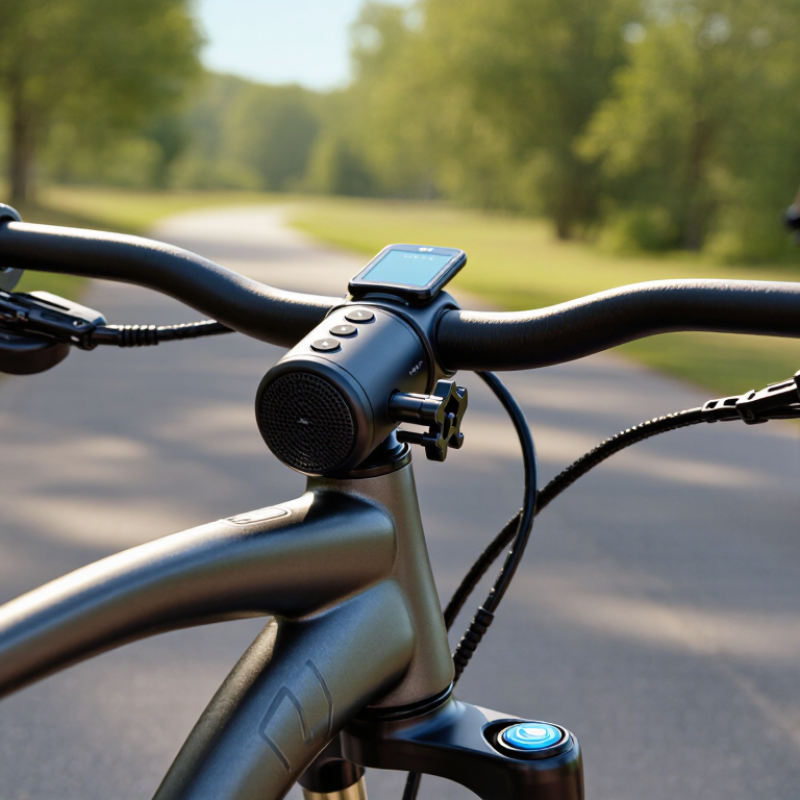
Set Bike-Speaker Criteria with IEC 60529 Weather-Protection Ratings
Top 10 Best Bike Mount Bluetooth Speakers in 2026
Choosing a bike-mounted Bluetooth speaker should start with its weather-protection rating, not its loudness claims. IEC 60529 defines IP ratings through controlled tests. The first digit indicates protection against solid particles; the second describes water protection. An IPX4 rating means testing against splashing water, while IPX5 covers water jets under specified conditions. These ratings help compare products, but they do not promise protection in every ride.
Rain is only part of the problem. A speaker may face road spray, dusty trails, handlebar vibration, and repeated temperature changes. Check that charging ports close firmly and controls remain usable with damp fingers. An IPX rating has no stated dust-protection level. That detail matters on gravel. Also, lab tests cannot fully represent years of worn seals or a loose mounting strap. I would treat any rating as a useful guide, not a guarantee.
Tips: Match the rating to your routes. For regular wet rides, look for a clearly stated water rating and inspect the port cover before leaving. Keep the speaker securely mounted, and dry it after heavy rain. Small oversight: riders sometimes check the speaker but forget the charging cable connection. Don’t assume every opening is protected.
Top 10 Best Bike Mount Bluetooth Speakers in 2026
IEC 60529 Water-Protection Ratings for Speaker Selection
Use these ratings as a weather-protection screening guide when comparing bike speakers. The chart shows the IEC 60529 water-protection code (the second digit); the first digit separately describes protection against solid objects and dust. These categories are not a simple durability scale: for example, an immersion rating does not by itself confirm resistance to water jets. Check the full IP code and the product’s stated test conditions before riding in wet weather.
Use IEC 60529: IPX7 Tests Immersion at 1 m for 30 Minutes
For a bike-mounted Bluetooth speaker, an IPX7 rating can offer useful reassurance when rain turns heavy or a bottle splashes the handlebar. Under IEC 60529, IPX7 tests temporary immersion, commonly described as one metre of water for 30 minutes. It is a controlled test, not a promise that every ride or accident is harmless. Read the rating carefully.
The “X” means the rating does not state a dust-protection level. The immersion result also does not tell you how loudly a speaker plays, how long its battery lasts, or how secure its mount feels on rough pavement. Check that the rating applies to the complete speaker, including its buttons and charging-port cover. A loose cover can change the real-world risk.
Water resistance has limits. Salt spray, muddy water, pressure from a hose, and repeated impacts are different conditions from a laboratory immersion test. After a wet ride, wipe the speaker dry and inspect its port before charging. Small habit. It matters. I would still treat IPX7 as a helpful test result, not a reason to ignore cracks, worn seals, or a mount that lets the speaker bounce.
Check Mount Fit for 22.2, 25.4, and 31.8 mm Handlebars
Bike speakers can make a ride more enjoyable, but a secure fit matters more than a loud rating. Handlebars commonly measure 22.2, 25.4, or 31.8 mm. Measure the bar where the mount will sit, not near the grip or stem. A digital caliper gives a clearer reading than guessing by eye. Small differences matter.
Check the speaker’s clamp range and included shims before buying. A mount made for a 22.2 mm bar may not fit a 31.8 mm bar without the correct adapter. Some handlebars taper near the stem, leaving little flat space for a clamp. It is easy to overlook this detail. Measurements can also be less reliable over thick tape or unusual finishes, so check the fit carefully.
Tips: Wipe the mounting area clean, then tighten the clamp evenly. Give the speaker a firm hand test before riding. It should not rotate when nudged. Recheck the fastener after your first short ride, since vibration can loosen a new installation. Avoid forcing a clamp that feels too small; it may mark the bar or stress the mount. A little patience beats a speaker bouncing over a rough path.
Compare Bluetooth Features Against Bluetooth SIG Core Specifications
A useful comparison of the top bike-mount Bluetooth speakers starts with the Bluetooth SIG Core Specification, not a version number alone. The Core Specification defines how Bluetooth devices communicate, including radio behavior and discovery. It does not guarantee loudness, battery life, or clear sound beside traffic. Those depend on speaker design, tuning, and testing.
Check each product’s stated Bluetooth version, supported profiles, and connection features against its documentation. A version label can indicate newer capabilities, but both devices must support compatible features to use them. Multipoint, for example, is not automatic just because a speaker lists a recent version. SIG qualification information can help confirm that a design followed the relevant process; it cannot predict how reliably a unit reconnects after a bumpy ride.
Real use adds another layer. A phone tucked in a jersey pocket, a speaker vibrating on a handlebar, and wind rushing past can expose weak connections or unclear controls. Short tests matter. Try pairing, pause and resume playback, then walk a few steps away and return. I would treat advertised range cautiously: walls and body position change results. One detail is easy to overlook. A technically compatible speaker may still be awkward to operate with gloves, and that is not a Core Specification failure.
Rank 10 Best 2026 Models by Sound, Battery Safety, and Ride-Ready Design
A useful 2026 bike-speaker ranking should test more than advertised volume. Outdoor sound can thin out beside traffic or wind, so clear vocals and balanced mids matter more than booming bass. Each of the ten models should be compared at a realistic riding distance, not only indoors. Small differences count.
Battery performance deserves equal attention. Compare verified playback time at moderate volume, charging time, and whether the battery indicator gives useful warning before a ride. Check for a secure, undamaged charging port and clear care instructions. A large battery is not automatically the safest choice. Heat, moisture, and rough handling deserve consideration, too.
Ride-ready design can separate a convenient speaker from a frustrating one. Look for a mount that stays firm over bumps, fits common handlebar shapes, and releases without fumbling. Controls should be easy to feel, yet simple enough to avoid distracting adjustments while moving. Water resistance and a readable status display add practical value. I would still inspect each mount after the first rough ride; specifications can miss a loose fit. Rank the ten models by sound, battery safety, and handling together, since a strong score in one area cannot fix a weak mount or unreliable power.
| Rank | Speaker Type | Sound Character | Battery & Charging | Mount & Ride-Ready Design | Weather & Safety Checks | Best Fit |
|---|---|---|---|---|---|---|
| 1 | Compact handlebar-clamp speaker | Balanced sound for podcasts and casual listening; limited low bass is typical of a small enclosure. | Check the maker’s stated runtime and charging instructions; playback time varies with volume and conditions. | Quick-access clamp keeps controls close; confirm the clamp fits the handlebar diameter and cannot rotate. | Look for a published water-resistance rating. Keep the speaker and charging port closed and dry while riding. | Commuters who want simple, handlebar-level access. |
| 2 | Rugged strap-mounted speaker | Often designed for clear outdoor listening; sound projection depends on placement and surrounding traffic noise. | Compare the advertised runtime at a stated volume, if available; recharge before long rides. | Flexible straps can suit more bar shapes, but should be checked for wear and movement before each ride. | Do not assume “rugged” means waterproof; verify the exact IP rating and its stated limits. | Mixed-surface riders who value flexible mounting. |
| 3 | Stem-mounted compact speaker | Close placement can make spoken audio easier to hear at moderate volume. | Use the supplied or specified charging method; avoid charging a wet device. | Central mounting can keep the unit clear of some handlebar controls; check steering and cable clearance. | Confirm that the mount stays secure over bumps and does not obstruct braking or shifting. | Riders seeking a centered cockpit setup. |
| 4 | Portable speaker with a dedicated bike bracket | A larger enclosure may offer fuller sound than a very compact unit, though results vary by design. | Check battery capacity, stated playtime, and charging time in the product specifications. | A purpose-made bracket can improve retention; verify that the speaker locks into place correctly. | Inspect the bracket and fasteners regularly, especially after rough rides. | Riders who want a removable speaker for use off the bike. |
| 5 | Wide-clamp handlebar speaker | Suitable for music and voice playback at moderate levels; small speakers generally cannot reproduce deep bass like larger systems. | Runtime is model-specific; treat maximum playtime claims as condition-dependent. | A wider clamp may spread contact across the bar; confirm compatibility with the bar shape and finish. | Ensure the clamp does not slip or damage the handlebar, and keep controls usable without looking away for long. | Riders with compatible bars who prefer a firm clamp fit. |
| 6 | Low-profile bar-mounted speaker | Compact output favors spoken audio and background listening over high-volume, bass-heavy playback. | Check for a battery indicator and a clearly specified charging port or cable. | Low-profile placement can reduce cockpit clutter; ensure it does not interfere with lights or accessories. | Keep the speaker positioned so it cannot block visibility of the road or essential controls. | Minimalist setups and shorter everyday trips. |
| 7 | Silicone-loop portable speaker | Sound quality and projection depend on orientation; test placement before relying on it outdoors. | Follow the stated charging guidance and inspect the loop and attachment point for damage. | A loop offers flexible attachment, but it may move more than a rigid bracket on rough ground. | Use a secondary retention method if the design allows it; never attach it where it can reach a wheel. | Casual rides where quick removal matters more than a fixed mount. |
| 8 | Frame-mounted portable speaker | Sound may be less direct to the rider than with a handlebar-mounted unit. | Check that the battery can cover the planned ride with a reserve; actual runtime varies by use. | Frame placement can free handlebar space; secure the mount and check clearance from knees, cables, and bottle cages. | Keep the unit clear of moving parts and inspect straps or brackets for loosening. | Riders with crowded handlebars and a suitable frame mounting point. |
| 9 | Water-resistant compact speaker with a removable mount | Convenient for voice and casual music; performance outdoors depends on speaker size and listening position. | Use the manufacturer’s battery and charging specifications rather than estimating from size alone. | A removable mount is convenient, but the speaker should be secured before riding and removed when unattended. | Water resistance is not the same as protection against every water exposure; check the published rating. | Riders who frequently switch between bike and off-bike use. |
| 10 | Budget clip-on bike speaker | Best suited to low-volume spoken audio; check reviews or test it for clarity in an outdoor setting. | Verify the stated runtime, charging connector, and battery guidance before purchase. | A clip is convenient but may be less secure than a purpose-built clamp on bumpy routes. | Do not rely on a clip alone if the unit can fall into a wheel or roadway; keep ride attention on traffic. | Occasional short rides and budget-conscious buyers. |
Comparison note: These are category-based picks, not claims about specific products. Exact sound performance, battery life, mount compatibility, and water protection vary by model; check the product specifications and test fit before riding. A Bluetooth speaker can make it harder to hear traffic, so keep volume low and follow local rules.
FAQS
Measure the bar where the clamp will sit, not near the grip or stem. A digital caliper helps. Small differences matter.
Not always. Check the clamp range and included shims. A mount designed for a 22.2 mm bar may need an adapter for a 31.8 mm bar.
Wipe the bar clean and tighten the clamp evenly. Give the speaker a firm hand test. It should not rotate. Recheck the fastener after a short ride.
Do not force it. It could mark the handlebar or stress the mount. Tapered bars may also leave little flat space.
No. Check supported profiles and connection features in the product documentation. Both devices need compatible features. A version label alone tells you little.
Pair it, pause and resume playback, then walk away briefly and return. A phone in a pocket can affect the connection. So can vibration.
Listen at a realistic riding distance. Clear vocals and balanced mids may matter more than booming bass near traffic or wind. Indoor tests can mislead.
Check playback time at moderate volume, charging time, and battery warnings. Inspect the charging port and mount. Controls should be easy to feel with gloves. I still sometimes trust a mount by feel too much. Recheck it after bumps.
Conclusion
Choosing the right Bike Mount Bluetooth Speaker starts with understanding how it will handle changing ride conditions. IEC 60529 ratings offer a useful way to compare protection: an IPX7 test means a device can withstand immersion in one meter of water for 30 minutes under specified test conditions, though it does not guarantee protection in every situation. Before buying, measure your handlebars and confirm that the mount fits common diameters of 22.2, 25.4, or 31.8 millimeters. A secure, adjustable attachment can help keep the speaker stable on varied routes.
This 2026 roundup compares ten ride-ready models by sound, battery safety, and practical design. It also considers Bluetooth features in relation to Bluetooth SIG Core Specifications, including reliable pairing and everyday wireless performance. Rather than focusing on a single specification, the rankings balance audio clarity, useful battery safeguards, weather-conscious construction, and ease of mounting. The goal is to help riders choose a speaker suited to their bicycle, listening preferences, and typical riding conditions.

Blog Tags: